Showing posts with label caregiving. Show all posts

Saturday, June 20, 2009

Witnessing Alzheimer's: A Caregiver's View

Seattlepi

from: Keri Pollock, Alzheimer's Association (800) 848-7097
Western and Central Washington State Chapter of the Alzheimer's Association

Playbook for Alzheimer's Caregivers: A Practical Tips Guide
Free "How-to" Guide Helps Caregivers Address the Challenges of Caregiving

Currently there are over 110,000 Washingtonians with Alzheimer's and related dementias, ten percent are under the age of 65. That number is expected to triple by 2050. With major cuts in state funding for healthcare and Adult Day Health Services, how do families cope with the challenges of caregiving?

The 2009 Alzheimer's Disease Facts and Figures, released in April by the Alzheimer's Association, states some startling statistics:

• Every 70 seconds, someone develops Alzheimer's disease
• Currently, 5.3 million Americas have Alzheimer's or a related dementia
• That number is expected to triple by 2050 if a cure or treatment isn't found
• Alzheimer's is the 5th leading cause of death of those 65 and older in the U.S.
• In the next two years, the first baby boomers will reach their 65th birthday
• Of the 70 million baby boomers in the U.S., 10 million will develop Alzheimer's disease
• There are 10 million Americans (family, friends and neighbors) providing unpaid care for a person with Alzheimer's or a related dementia

The Western and Central Washington State Chapter of the Alzheimer's Association -- -- headquartered in Seattle and serving 23 counties, knows the number of people with Alzheimer's and related dementias is growing, the challenge it poses on family and friends, as well as the looming public health crisis that this could eventually create. And with the recent cuts in the Washington state budget for adult day health services, families will be grappling on a deeper level with caregiving issues.

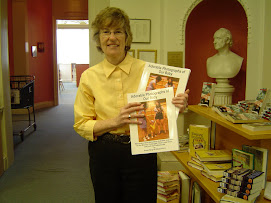
Caregiving for a person with Alzheimer's can be particularly stressful and often compromise the health of caregivers. To help address this issue and provide effective solutions, the Association is making available, free of charge, the concise, purposeful Coach Broyles' Playbook for Alzheimer's Caregivers: A Practical Tips Guide which includes a portable "Pocket Reference of Tips and Strategies".

Coach Broyles is the former Athletic Director for the University of Arkansas Razorbacks, and this "playbook" evolved from his experiences of caring for his wife, Barbara, who had Alzheimer's and passed away in 2004. This insightful, comprehensive guide covers the gamut of topics from communicating with your loved one's doctor to communication tips with your loved one as his or her disease progresses, as well as dressing, wandering, home safety, eating and general survival.

The Western and Central Washington State Chapter offers other resources, available for download at http://www.alz.org/alzwa/in_my_community_13905.asp in addition to their 24-hour-a-day/7-day-a-week toll-free Helpline at 800.848.7097.

Helpline specialists are available to answer questions, provide resources, as well as lend an ear when times gets stressful. Helpline can also link families with the Chapter's Connections Care Consultation Program, providing individualized guidance to families and individuals in addressing immediate needs and planning for the future, with ongoing support throughout the course of the disease. The Chapter offers a variety of Support Groups, trainings and workshops to help in the journey as well.

To receive a copy of the Coach Broyles' Playbook, call the Chapter's Helpline at 800.848.7097 and tell the specialist you would like to have a copy of the PLAYBOOK mailed to you.

Aging and Disability Services of Seattle/King County has generously provided the Alzheimer's Association with a grant to underwrite the cost of mailing the Playbook to residents of King County.

The Western and Central Washington State Chapter of the Alzheimer's Association is headquartered in Seattle and serves 23 counties. Our vision is "A world without Alzheimer's disease." Our mission is to eliminate Alzheimer's disease through the advancement of research; to provide and enhance care and support for all affected; and to reduce the risk of dementia through the promotion of brain health. For more information about Alzheimer's disease, visit www.alzwa.org or call 800-848-7097.

Here is a great dementia resource for caregivers and healthcare professinals,

Here is information on being the best caregiver you can be

Here are more interesting dementia articles and activities,

Saturday, April 18, 2009

Crisis in long-term health: Boomers caring for elderly parents, but who will care for them?

Pioneer Press

Updated: 04/17/2009 11:03:24 PM CDT

WHO WILL CARE FOR THEM?

The demands of caring for their aging parents are putting a strain on the generation born after World War II. But the children of baby boomers will face an even greater burden.
By Jeremy Olson
jolson@pioneerpress.com
Maggie Jessen was once the death of her mother — a teenage wild child who smoked and ignored schoolwork and left home at age 16 after an argument with her father.

Now, she is the lifeline keeping her 91-year-old mother, Maurine Martin, out of a nursing home.

Maurine has lived the past four years in Maggie's home in St. Paul, in a bedroom that Maggie's husband built in place of the back porch. She is forgetful and hallucinates about cats and children. Sometimes, she thinks her room is an apartment and calls her daughter's house "the building."

Caring for Maurine takes energy and patience — whatever Maggie has left after working with special-education students at Central High School. Friends tell Maggie she's "done her time," but they don't undersBut studies show that tand.

"You can't understand unless you've been through it," she said. "I mean, it's my mom!"

A cluttered nursing home may be the stereotype of elder care in the United States, but spouses, friends and adult children provide more than 90 percent of the care to the nation's frail and elderly. This informal network is the backbone of the nation's long-term-care system, and it will be needed more than ever as the baby boomers

But studies show that..........read the whole article and comments

For a great resource for those with dementia, caregivers and healthcare professinals, click here

For information on being the best caregiver you can be, click here

For more interesting dementia articles and activities, click here

Friday, April 17, 2009

Caring for Mom - Transitions: Making the move

Sharon K. Brothers, MSW

You've finally reached the point and the decision: you're going to help your mom, dad or other family member move from home to a care community. What should you expect? What can you do to make the transition better for both of you?

Make the move easy. When you're planning moving day, make sure you consider how to make the move as quick and easy as possible.

Enlist the help of every family member possible.
Offer your loved one an option - their choice - of
staying while you move their belongings or going to lunch or for a ride, while other members of the family make the move.
Minimize the amount of things moved. Many older people enjoy the process, once the decision has been made, of gifting their items to various family members, reflecting on the items heritage or meaning during the process. Ask your loved one to select just those things he needs for basic comfort and then either store or get rid of the rest. Most moves entail downsizing significantly, so start that process off right by not bringing too much in the first place. Besides, a less crowded space feels bigger.
Move as quickly as possible, and then relax a bit with your loved one. Allow time in your moving day schedule for a dinner together, a drink or light meal at the end of the moving day. This is a chance to focus on the relationship, not just the task of moving. That's important on moving day.
Leave. There will come that moment when the work's essentially done, you've relaxed and chatted a few minutes, and there's not much more to be done. You may have that feeling like you're leaving your child at daycare for the first time in the pit of your stomach, but you need to make your exit. You need to give your loved one time and space to begin his own journey of adjustment.

Visit. Some care communities may advise you not to visit for the first few days or even weeks. Unless this is a firm requirement, smile, nod, and plan your next visit. It's important to your loved one to know that you haven't done the much feared "dumped at a nursing home" maneuver. Your regular visits will reassure your loved one that you're still going to be involved, even though his physical residence has moved. Make an effort to make your visits about the relationship, too, not just tasks. Moving your loved one to a care community can relieve you of many tasks; it will never take the place of your relationship, however. Focus on your relationship by:

Bringing in picture of your children or other family members
Sharing meals together when you visit
Taking walks together or taking your loved one for a drive in the countryside
Talking about your regular daily life and routine
Encouraging other family members, especially youngsters, to visit regularly, too.

Get acquainted. On your visits, try to get acquainted with the staff at the new community. Meet the front desk people and the manager, the dining room staff and the housekeepers. Introduce yourself, smile and thank them for their work. You'll gain the trust and respect of important people involved in the welfare of your loved one; you'll also know who to turn to if something goes wrong. You may want to get acquainted with other residents and their families as well, a step that frequently speeds the settling in process.

Be patient. It takes time for a person to adjust to a move. Some people will adjust quickly; others will still be adjusting several years after the move. Be patient, and let your loved one adjust at his own pace. Complaints may be frequent initially, especially about food. Listen, sympathize, but don't rush to the manager demanding changes unless you witness the problems yourself, too. Be patient with staff, too, especially in new communities. It takes time for everyone to learn their jobs and to do them flawlessly. Expect some level of human error - housekeeping that miss a garbage can, for example, or soup served a little cool, but expect excellence in any personal care or services that are delivered. If the community laundry is cleaning your loved one's clothes, expect that some items will go missing, and other items might get shrunk or bleached. Keep your loved one's irreplaceable clothes or jewelry at your house, or launder them yourself (be sure to let the staff know).

Tune in to your own reactions. Be aware of those moments when you feel a wave of sadness wash over you for the losses your loved one has experienced. Feelings of sadness and guilt are normal, common reactions. You might think, "I should have cared for her myself," but don't let these feeling drive you to actions that make matters worse. Often, family members who are racked with guilt turn their feeling toward those providing the care, relentlessly finding fault, blame or error. If you find yourself complaining on every single visit, check in with your own feelings to see if you may be turning your own feelings of guilt or anxiety toward the people caring for your loved one. If you think you might be feeling more than the usual level of sadness or guilt, get help. Find a counselor, pastor or good, patient friend to listen and help you work through your emotions.

Many people find moving to a care community one of the most difficult tasks they do as caring family members. But most find that they're happier, healthier and better off because of the choice, often sooner than they would ever have expected. It just takes a little effort on your part to make the transition

For more information on caregiving, click here

For a great resource for those with dementia, caregivers and healthcare professinals, click here

For more interesting articles, click here